Ibuprofen 800mg Recalled Due to Metal Contamination Risk
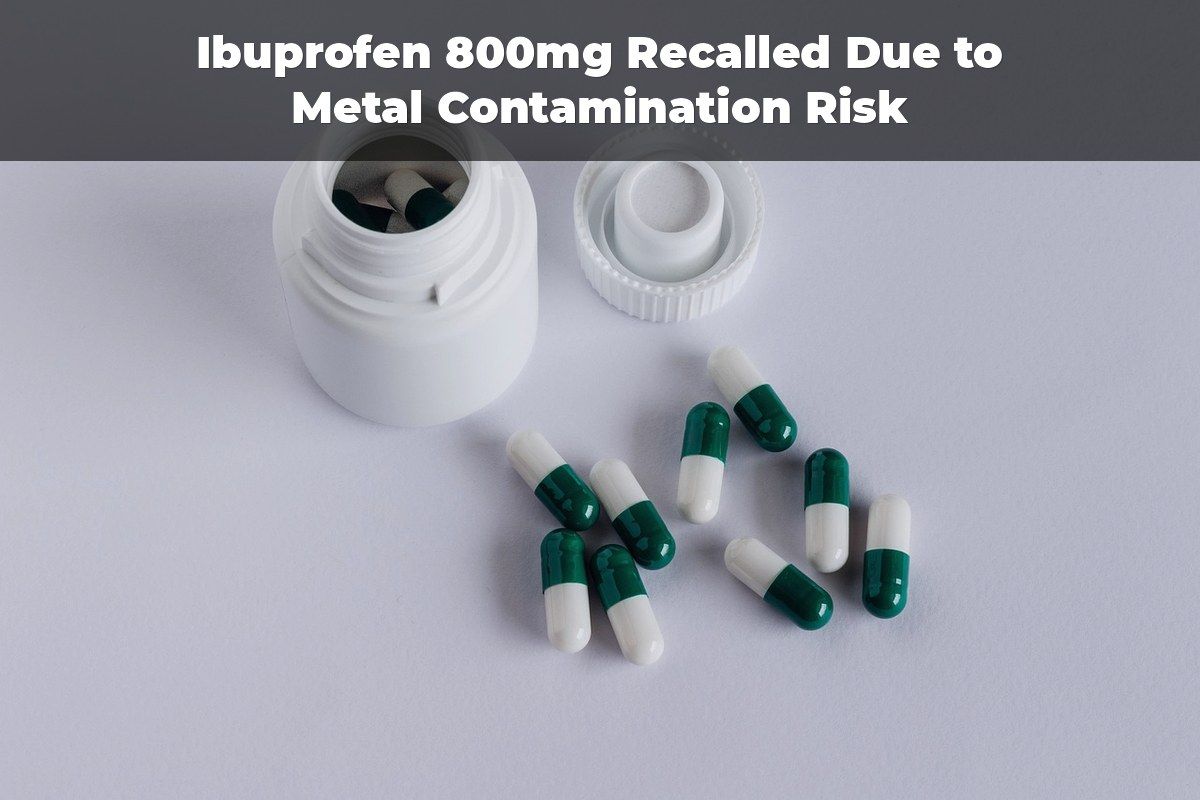
Why Is Ibuprofen 800mg Being Recalled?
A recent report from The Korea Daily highlights a voluntary recall of ibuprofen 800mg tablets by GSMS. The recall is due to a risk of metal contamination. This precautionary measure aims to protect consumers from potential harm. Contaminants in medications can cause adverse effects, so recalls are a critical safety tool.
Ibuprofen is a commonly used nonsteroidal anti-inflammatory drug (NSAID). It helps reduce fever, pain, and inflammation. This recall affects the 800mg strength of the tablet, which is often prescribed for more severe pain or inflammation. The presence of metal contaminants, even in small amounts, can pose significant health risks. Metal pieces in medications can lead to physical injuries, such as cuts or internal damage, if ingested.
The recall serves as a reminder of the importance of drug safety and manufacturing quality control. While drug recalls are not uncommon, they highlight potential issues in the production process. Patients should stay informed about recalls that may affect their medications. Consulting a healthcare provider can help ensure continued, safe treatment.
What Is Ibuprofen and How Does It Work?
Ibuprofen is a widely used medication belonging to the NSAID class. It works by inhibiting enzymes that produce prostaglandins. Prostaglandins are chemicals in the body that promote inflammation, pain, and fever. By blocking these enzymes, ibuprofen effectively reduces these symptoms.
The drug is available in various forms and strengths. Over-the-counter options typically range from 200mg to 400mg per dose. The 800mg dosage is usually prescribed for more intense pain, like that from arthritis or injury. This higher dose should only be used under a doctor's supervision due to the increased risk of side effects.
Ibuprofen is effective for a range of conditions. These include headaches, menstrual cramps, dental pain, and minor injuries. Its anti-inflammatory properties also make it useful for managing chronic conditions like osteoarthritis and rheumatoid arthritis. Despite its benefits, ibuprofen is not without risks, especially at higher doses.
Who Should Use Ibuprofen 800mg?
Ibuprofen 800mg is generally prescribed for adults with moderate to severe pain. This might include those recovering from surgery or dealing with chronic inflammatory conditions. Doctors usually recommend this dosage when over-the-counter options are insufficient. It's crucial that patients follow their doctor's guidance when taking this medication.
This higher dosage is not suitable for everyone. Individuals with certain health conditions should avoid it. These include people with a history of ulcers, kidney disease, or heart problems. NSAIDs can exacerbate these issues, making alternative treatments necessary. Pregnant women, especially in the third trimester, should also avoid high-dose ibuprofen due to potential risks to the fetus.
Before prescribing ibuprofen 800mg, doctors assess the patient's overall health. They consider current medications and any existing medical conditions. This helps to minimize risks and ensure the treatment is both safe and effective. Patients should provide their healthcare providers with a complete medical history to aid this process.
What Are the Known Side Effects and Safety Warnings?
Ibuprofen, like all medications, comes with potential side effects. Common ones include stomach upset, nausea, and heartburn. These symptoms often improve over time or with a reduced dosage. However, more serious side effects can occur, particularly at higher doses.
Serious side effects include gastrointestinal bleeding, ulcers, and increased blood pressure. There is also a risk of kidney damage with long-term use. Patients with pre-existing conditions are at greater risk and should be monitored closely. Users should be aware of the signs of these serious side effects, such as severe stomach pain, black or bloody stools, and unusual swelling.
NSAIDs like ibuprofen can also increase the risk of heart attack or stroke, particularly with long-term use. This risk is higher in patients with existing heart conditions or those who take high doses. The FDA advises using the lowest effective dose for the shortest possible time. Patients should discuss any concerns with their healthcare provider, especially if they have a history of heart disease.
What Should People Taking Ibuprofen 800mg Do Now?
People taking ibuprofen 800mg should not stop their medication abruptly. Instead, they should consult their doctor or pharmacist for advice. Medical professionals can confirm whether the specific batch they have is affected by the recall. If it is, they will provide guidance on how to proceed safely.
Patients should continue to follow the prescribed dosage unless instructed otherwise by a healthcare provider. They can also ask their doctor about alternative pain management options if they are concerned about contamination risks. It's essential to report any unusual symptoms or side effects to a healthcare provider promptly.
If patients experience severe symptoms, such as chest pain, difficulty breathing, or signs of an allergic reaction, they should seek immediate medical attention. For non-urgent side effects, patients can report them to the FDA MedWatch program. This helps track potential issues and improve drug safety for everyone.
How Can Patients Report a Side Effect?
Reporting side effects is an important part of drug safety. Patients can report adverse reactions to the FDA through the MedWatch program. This can be done online, by phone, or through a paper form. Reporting helps the FDA monitor drug safety and take appropriate action when needed.
When reporting, patients should provide as much detail as possible. This includes the medication name, dosage, and the side effects experienced. They should also note when the side effects started and any other medications they are taking. This information helps the FDA identify patterns and potential safety concerns.
Patients should also inform their healthcare provider about any side effects. This is crucial for their own safety and well-being. Healthcare providers can offer advice on managing side effects and may adjust the treatment plan if necessary. Open communication with a healthcare provider ensures the best possible care.
What Are the Alternatives to Ibuprofen 800mg?
There are several alternatives to ibuprofen 800mg for managing pain and inflammation. Acetaminophen is a common over-the-counter option for mild to moderate pain. It does not have the anti-inflammatory properties of ibuprofen but is gentler on the stomach. However, patients should be cautious about liver damage with high or prolonged doses.
For those needing anti-inflammatory effects, other NSAIDs like naproxen or aspirin may be options. These drugs have similar mechanisms but may suit some patients better than others. Doctors can help determine which medication is best based on individual health needs and medical history.
In some cases, non-drug options may also be effective. Physical therapy, hot or cold compresses, and lifestyle changes can help manage pain. Patients should discuss all available options with their healthcare provider. Together, they can develop a comprehensive pain management plan tailored to the patient's needs.
Source: Ibuprofen recall — GSMS Voluntarily Recalls 800mg Pills Over Metal Contamination (The Korea Daily)
This article is for general information only and is not medical advice. Always talk with your doctor or pharmacist before you start, stop or change a medicine. Report side effects to FDA MedWatch (fda.gov/medwatch or 1-800-FDA-1088). If you think you are having a medical emergency, such as a severe allergic reaction, call 911 right away.
Frequently asked questions
Why was Ibuprofen 800mg recalled?
Ibuprofen 800mg was recalled due to a risk of metal contamination. This contamination could pose serious health risks if ingested. The recall is a precautionary measure to ensure consumer safety.
What should I do if I have Ibuprofen 800mg at home?
Check the packaging or contact the manufacturer to see if your batch is affected by the recall. If it is, stop using the product and follow the manufacturer's instructions for returning or disposing of it. Keep the medication out of reach of children and pets.
How can metal contamination occur in medications?
Metal contamination can occur during the manufacturing process. Equipment may introduce small metal particles if not properly maintained. Manufacturers work to prevent this through strict quality control measures.
What are the health risks associated with ingesting metal particles?
Ingesting metal particles can cause physical harm, such as cuts or tears in the digestive tract. It may also lead to more serious complications if the particles are sharp or large. Always consult a healthcare professional if you suspect contamination.
Is there a way to visually identify contaminated Ibuprofen 800mg tablets?
Contaminated tablets may not always show visible signs of metal particles. It's important to rely on recall notices and batch information rather than visual inspection. Contact the manufacturer for specific details about affected batches.
Have there been any reported injuries from this Ibuprofen 800mg recall?
As of now, there have been no widely reported injuries related to this specific recall. The recall is a precautionary step to prevent potential harm. Always stay informed by checking updates from reliable sources.
How long will it take for Ibuprofen 800mg to be back on shelves?
The timeline for resupply depends on the manufacturer addressing the contamination issue. They must ensure all safety standards are met before restocking. For updates, monitor announcements from the manufacturer or relevant health authorities.
Can I use a different dosage of Ibuprofen if my 800mg tablets are recalled?
You can discuss alternative dosages or medications with your healthcare provider. They can provide guidance based on your specific health needs. Never adjust your medication without professional advice.
Where can I find more information about this recall?
Check the manufacturer's website or official health authority announcements for detailed recall information. News outlets and drug news sites like Rx Drug News may also provide updates. It's important to rely on reputable sources for accurate information.
What should I do if I've already taken potentially contaminated Ibuprofen 800mg?
Monitor your health for any unusual symptoms and contact a healthcare professional if you have concerns. They can advise you on any necessary steps or treatments. Always seek medical advice if you feel unwell after taking a medication.
How can I report a problem with a medication to health authorities?
You can report issues with medications to your country's health authority, such as the FDA in the United States. Many have online systems for reporting adverse events or quality concerns. Providing detailed information helps authorities address the issue effectively.
When should I talk to a doctor or pharmacist about this recall?
Consult a doctor or pharmacist if you're unsure about the safety of your medication or need advice on alternatives. They can provide guidance tailored to your health situation. Call 911 immediately if you experience a medical emergency like a severe allergic reaction.
Keep reading
More stories →Ariad to resume sales of cancer drug Iclusig, shares jump
A leukemia drug that was suspended amid safety concerns nearly two months ago is being allowed back on the U.S. market, though restricted to a smaller group of patients. Shares of Ariad Pharmaceuticals Inc, which makes…
New U.S. food safety rules by FDA seek more accountability
U.S. regulators proposed new food safety rules on Friday that aim to make food processors and farms more accountable for reducing food borne illnesses that kill or sicken thousands of Americans annually. The rules,…
Ranbaxy products in Malaysia safe to consume
KUALA LUMPUR: The Health Ministry assured the public that Ranbaxy products were safe from possible glass particle contamination. Its deputy health minister Datuk Rosnah Abdul Rashid Shirlin said only the generic version…